QNetworks 2026: researchers present progress on future quantum networks at flagship Hub international workshop
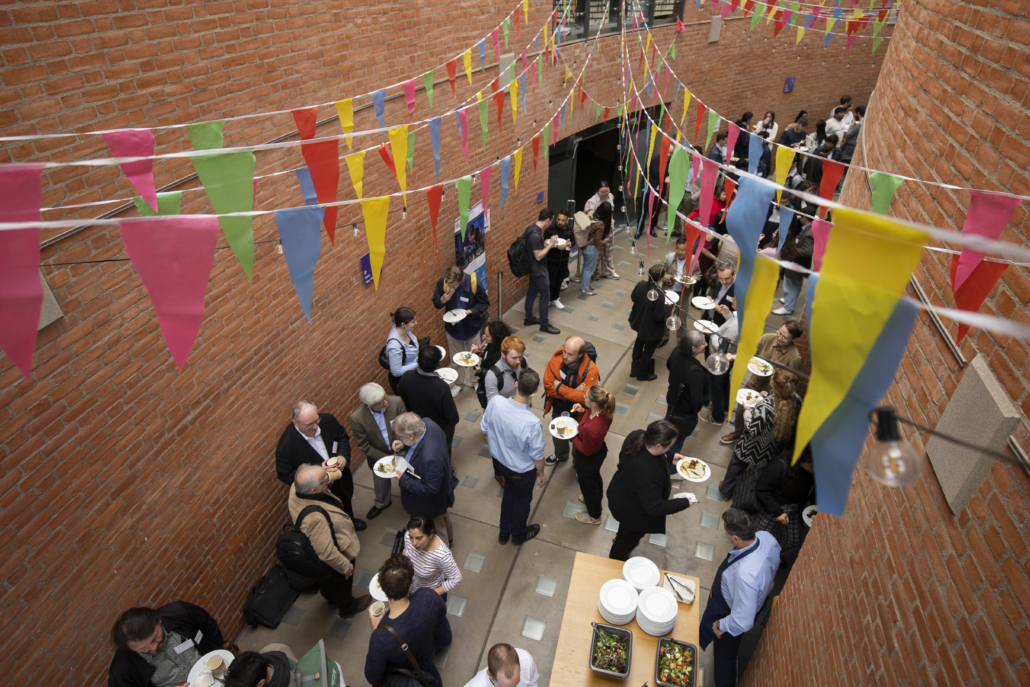
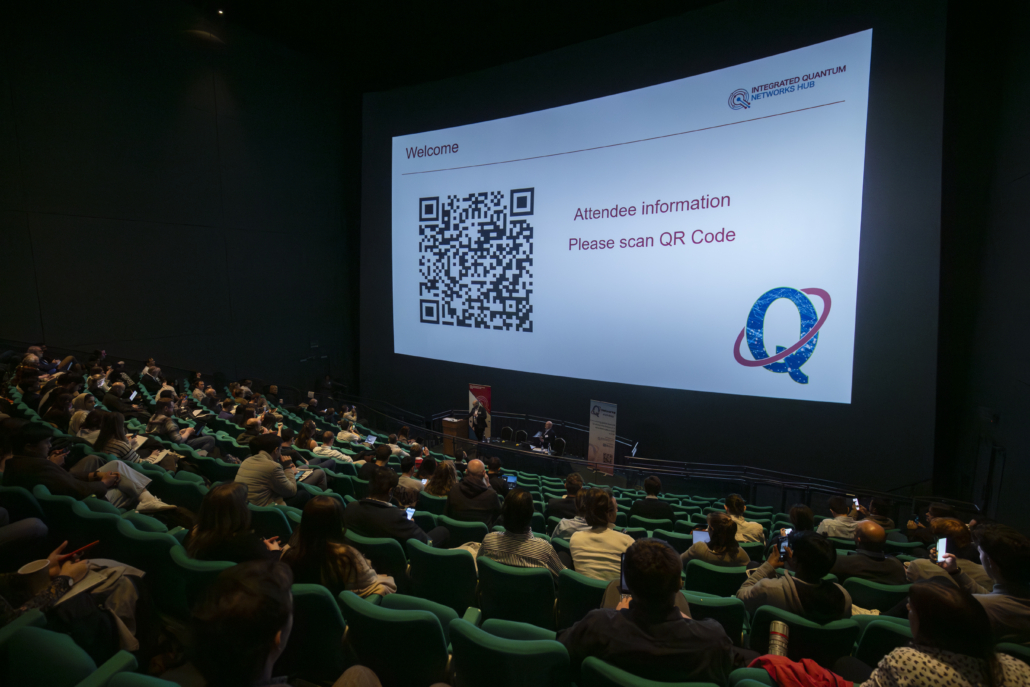
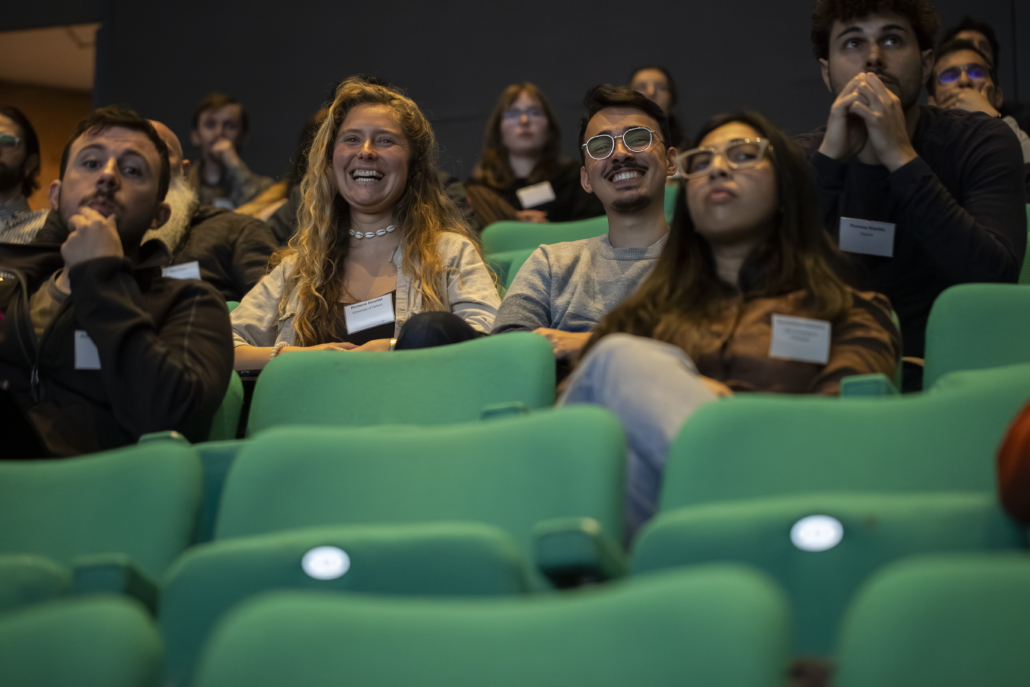
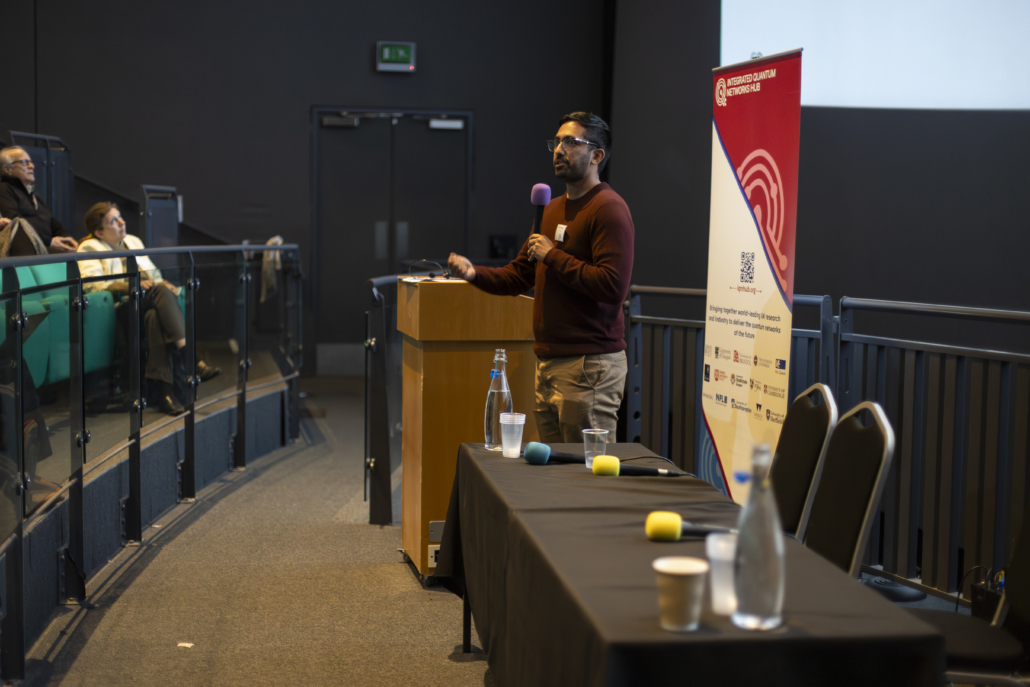
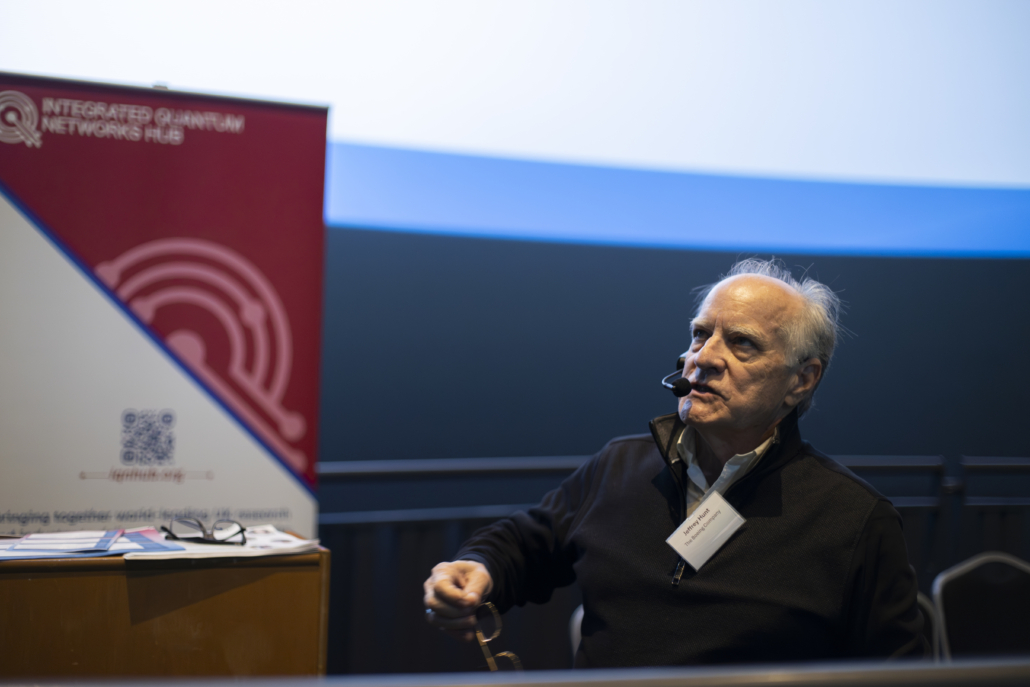
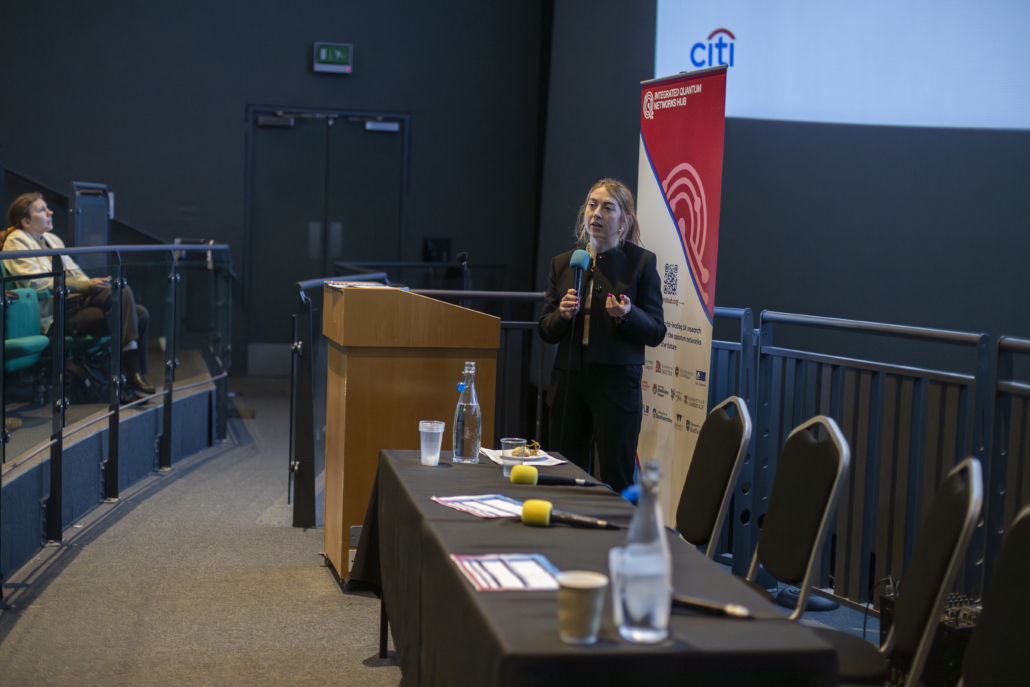
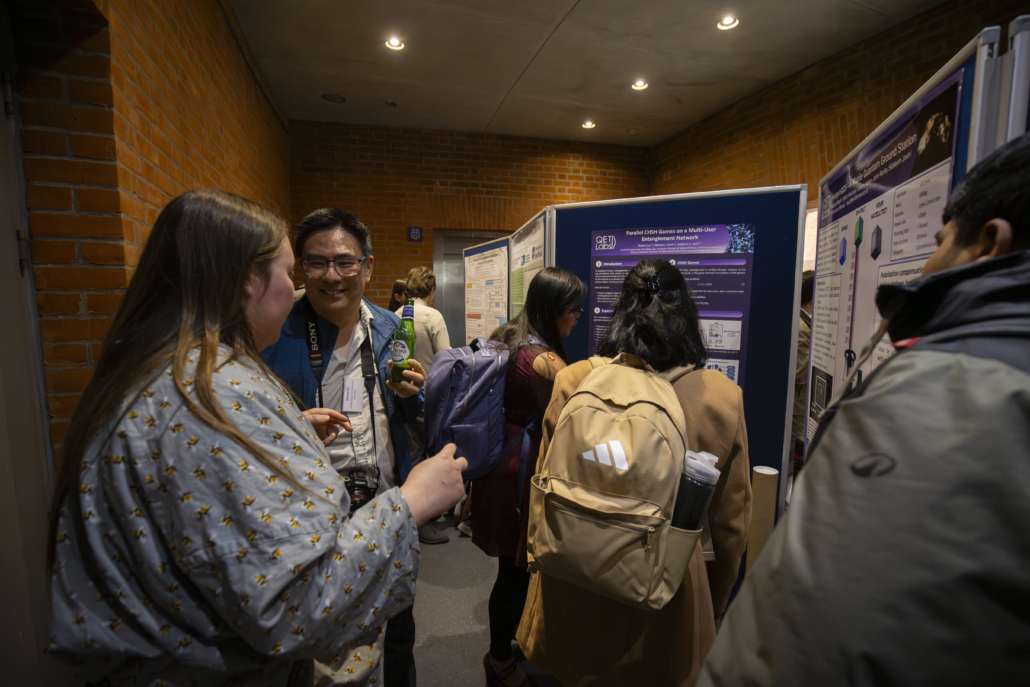
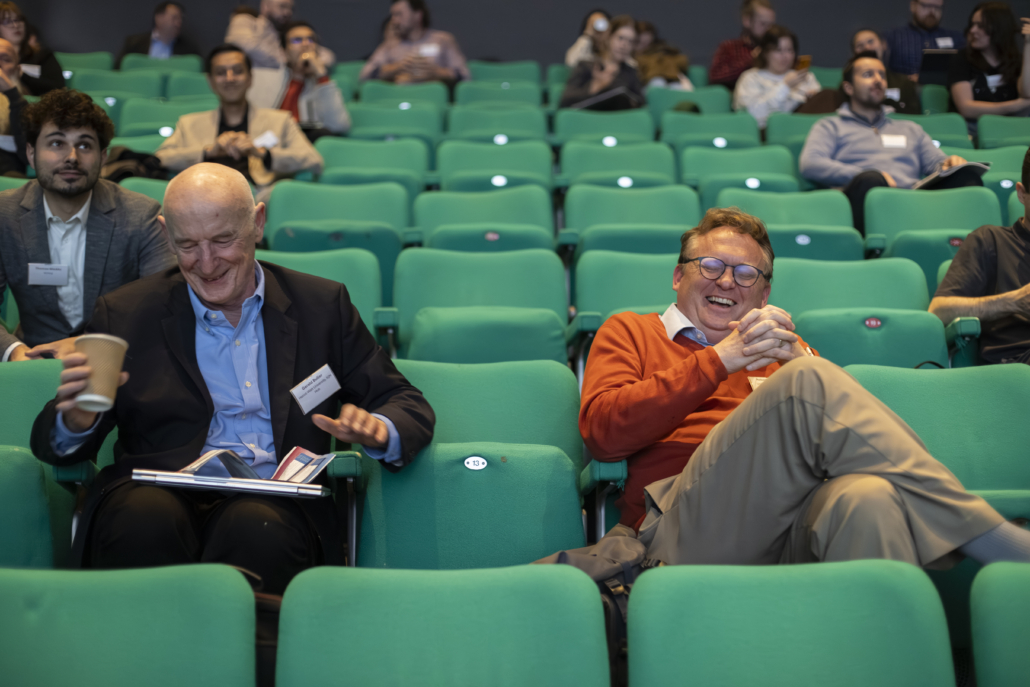
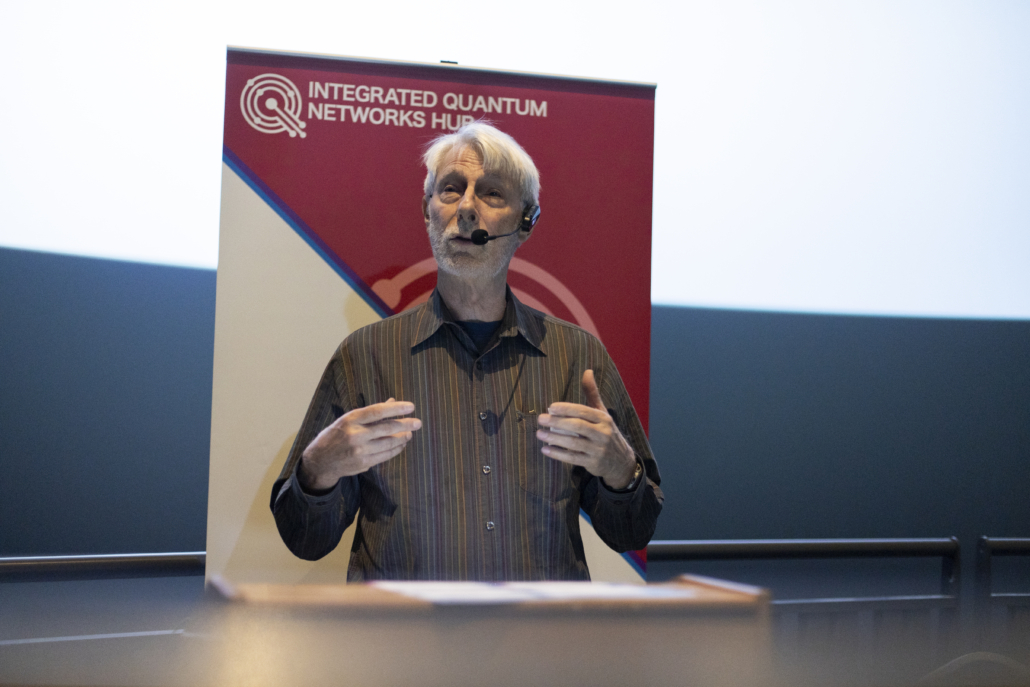
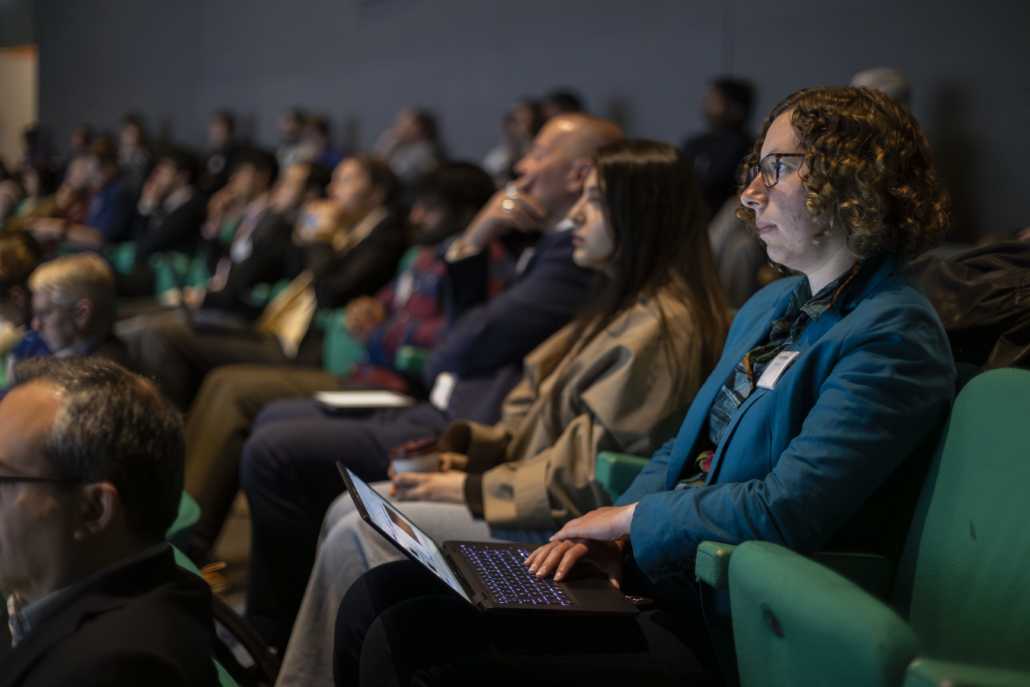
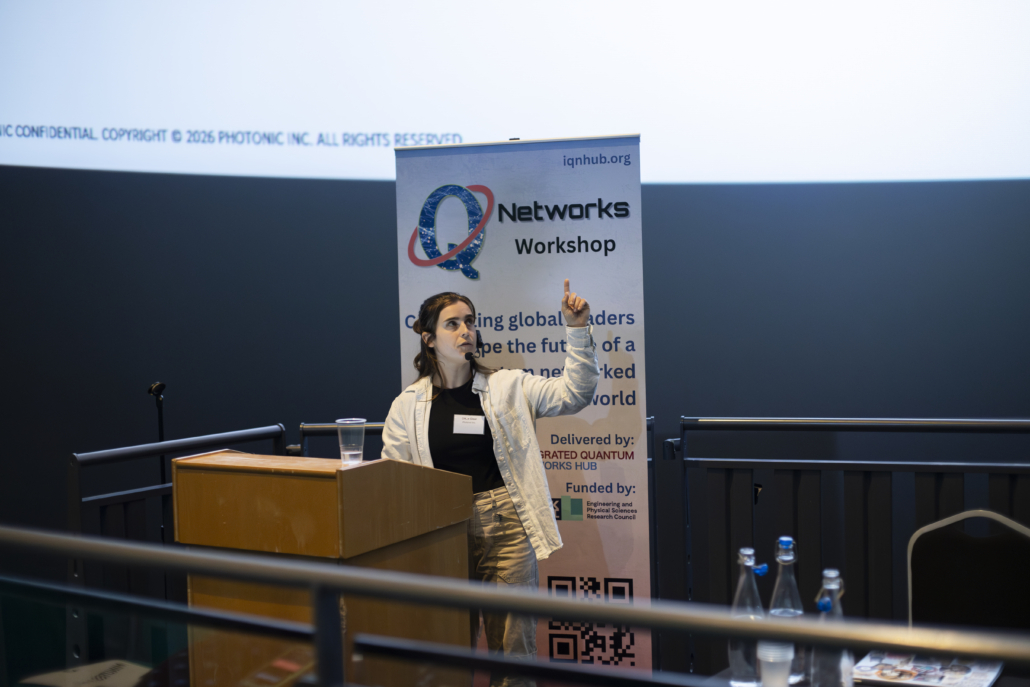
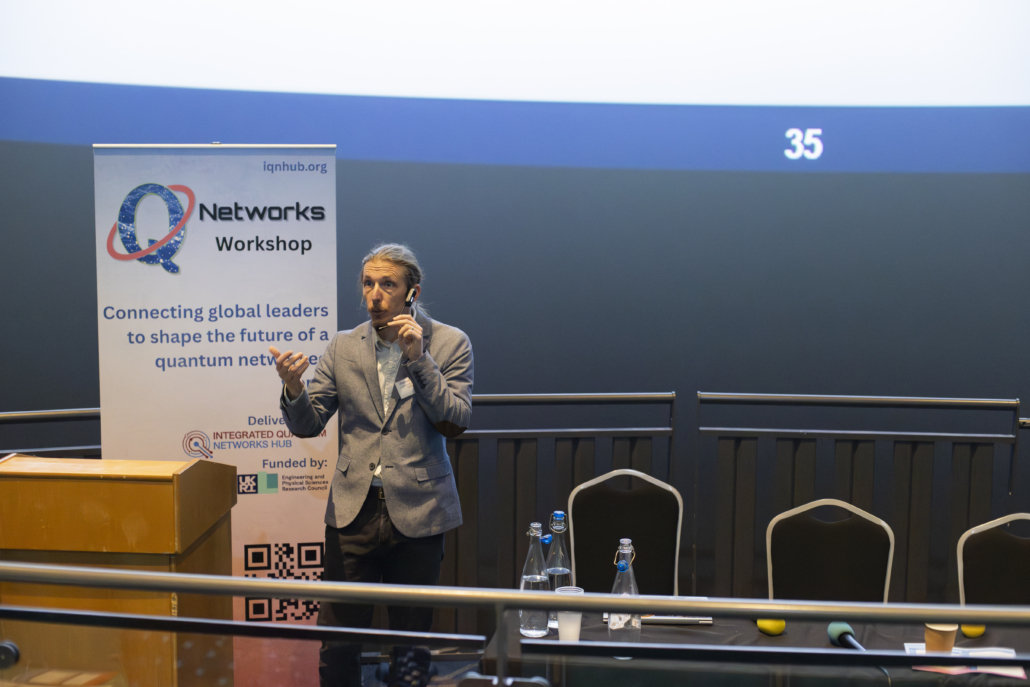
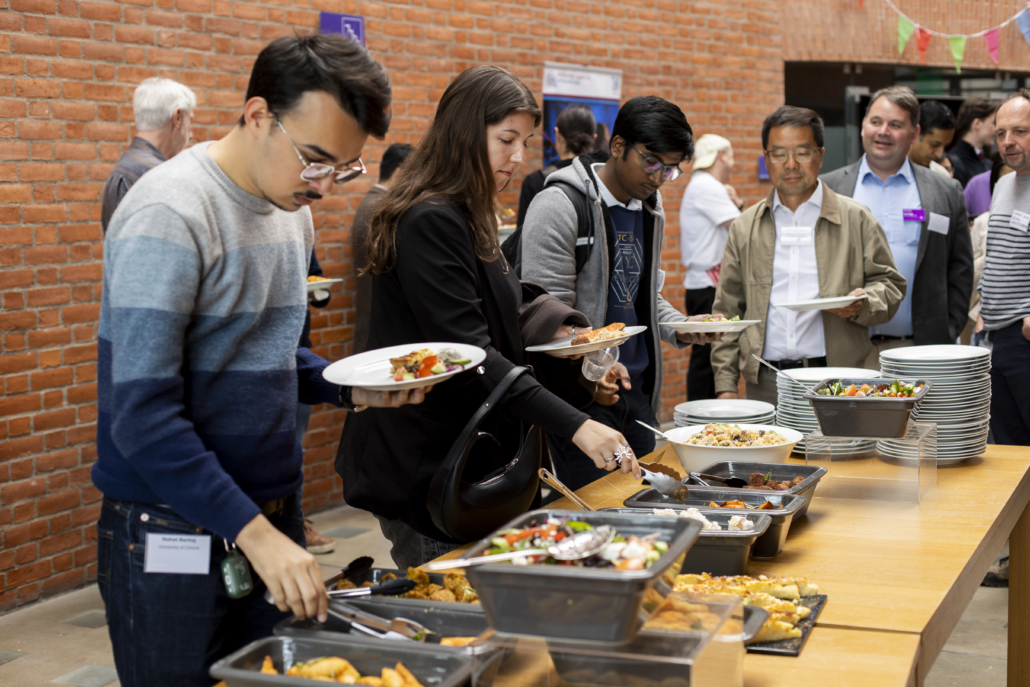
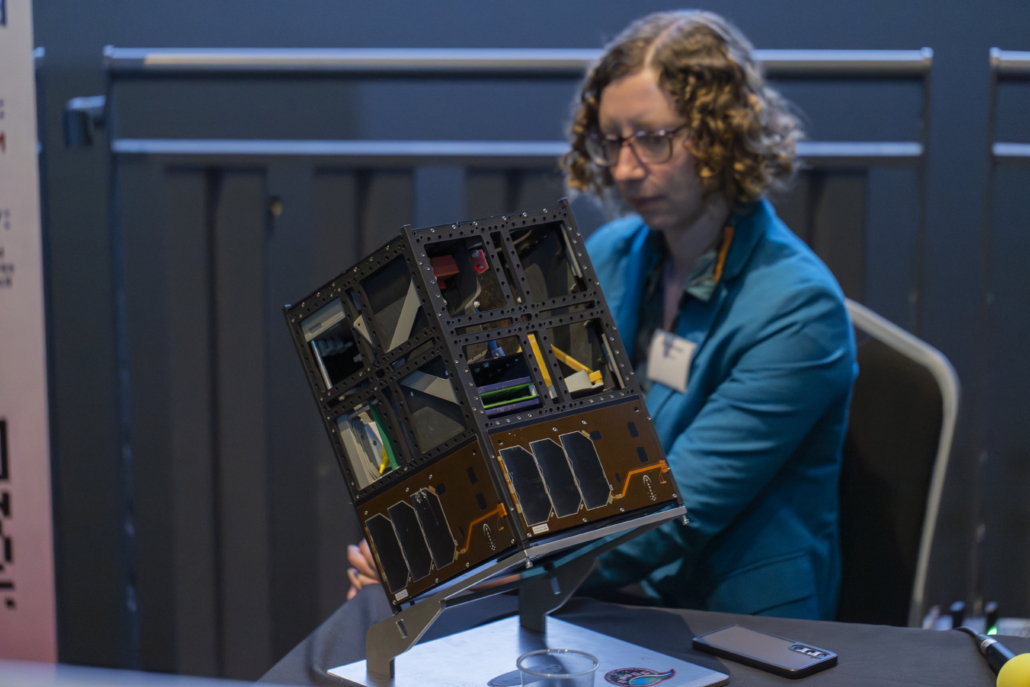
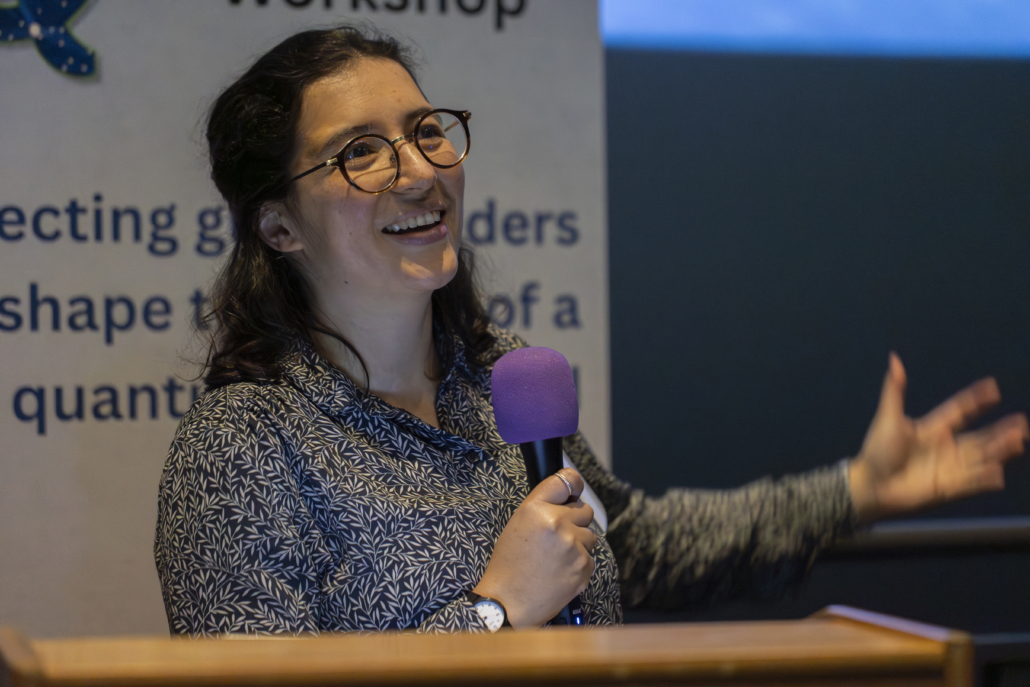
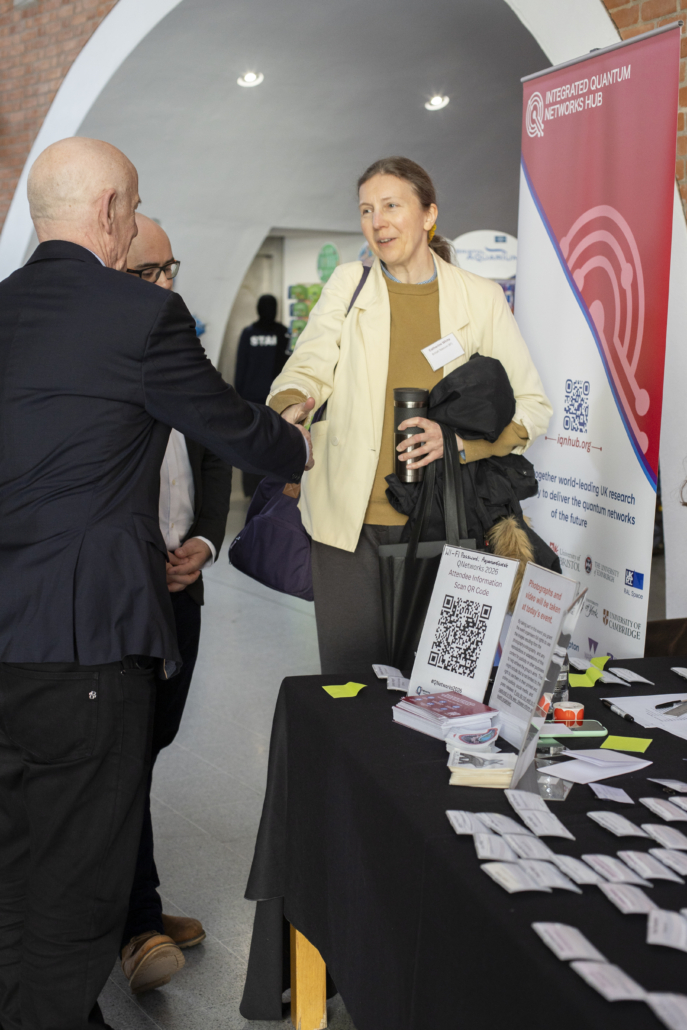
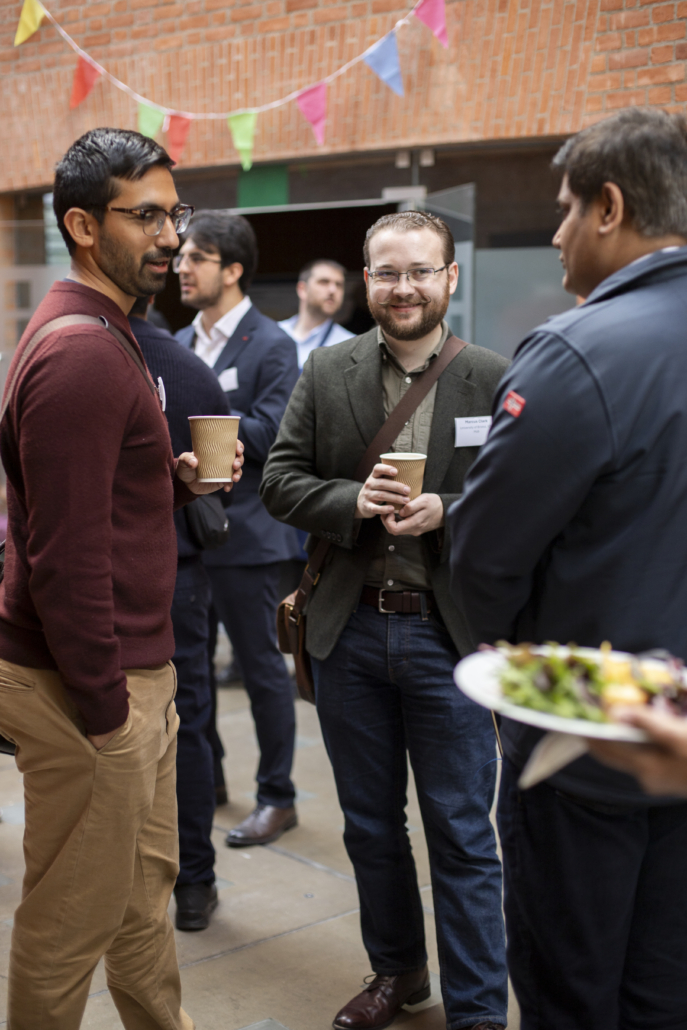
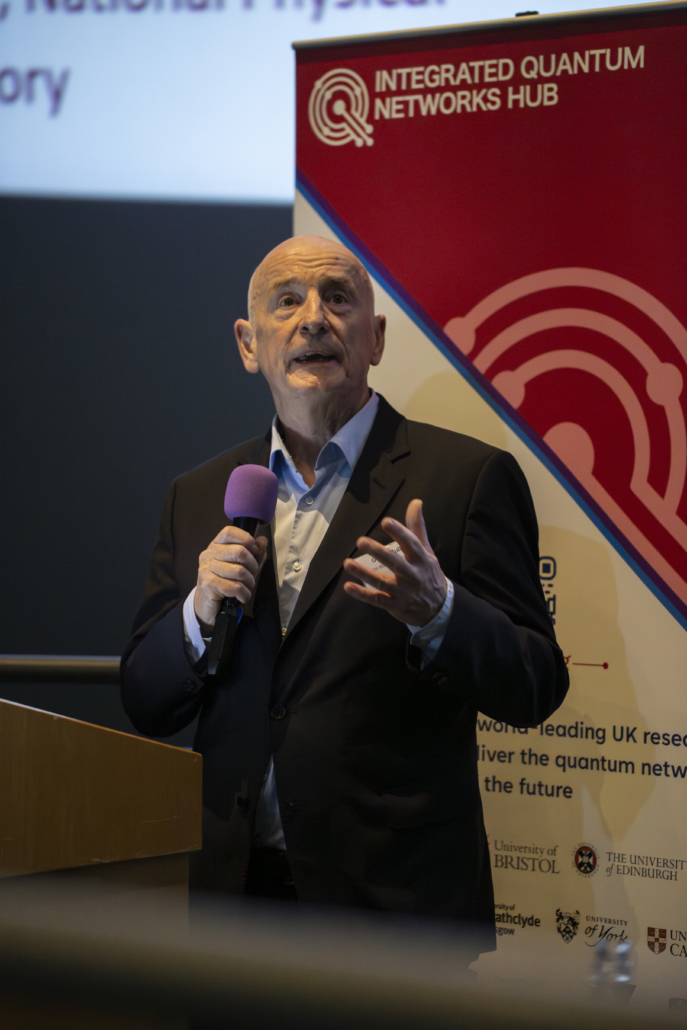
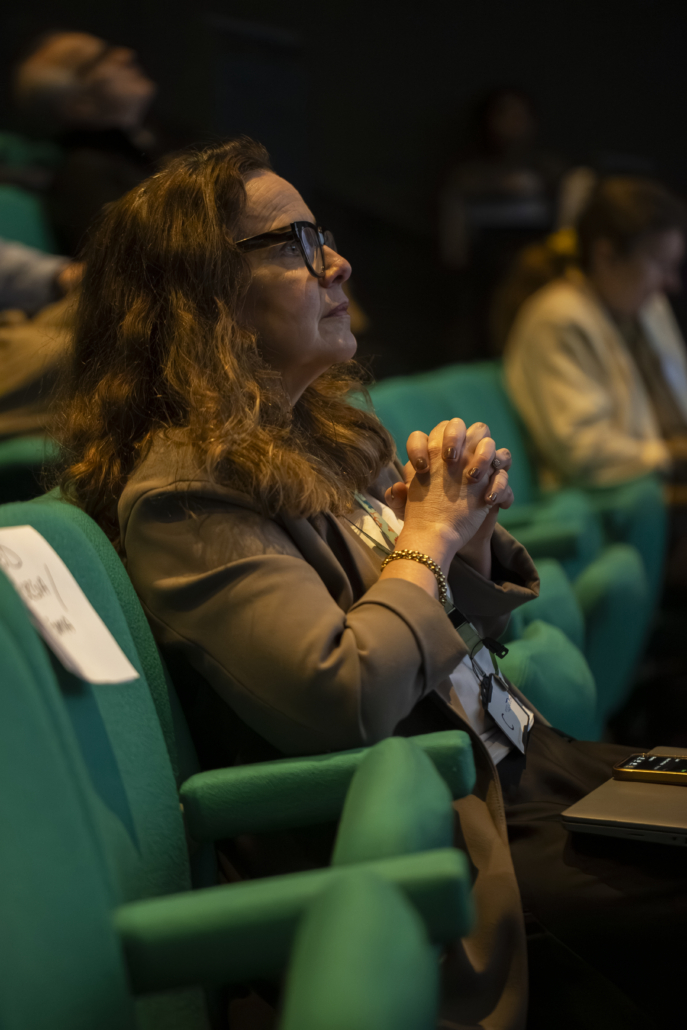
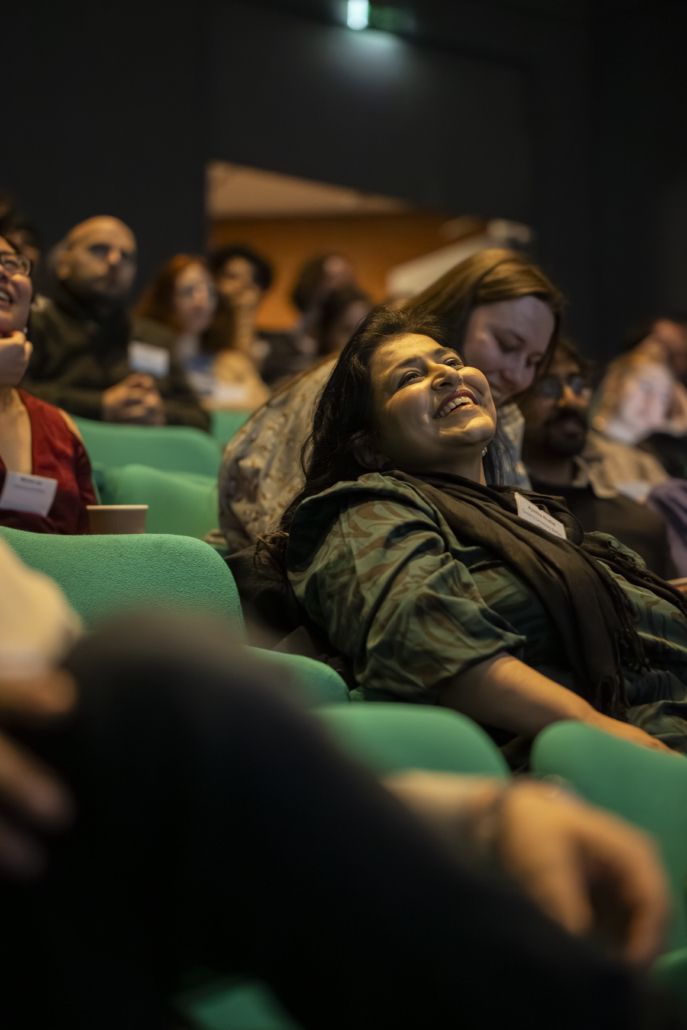
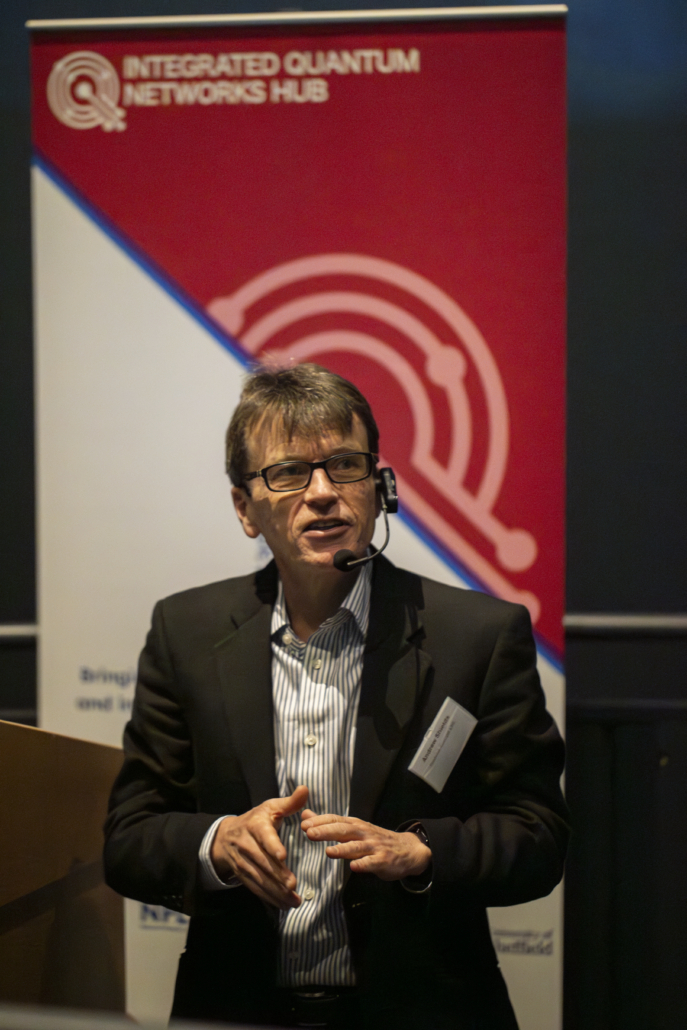
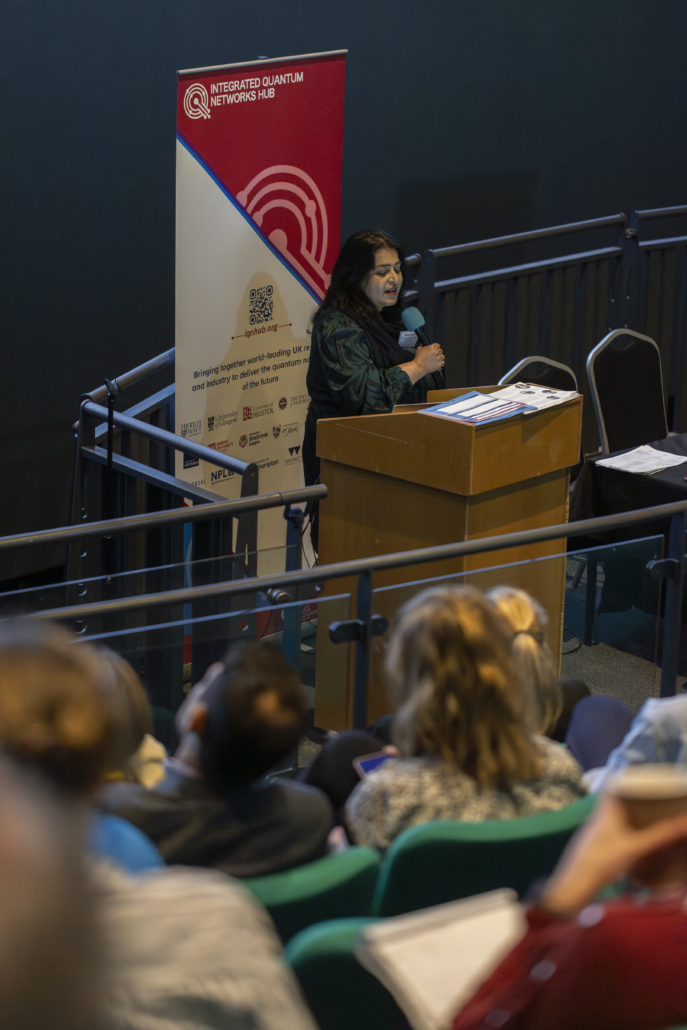
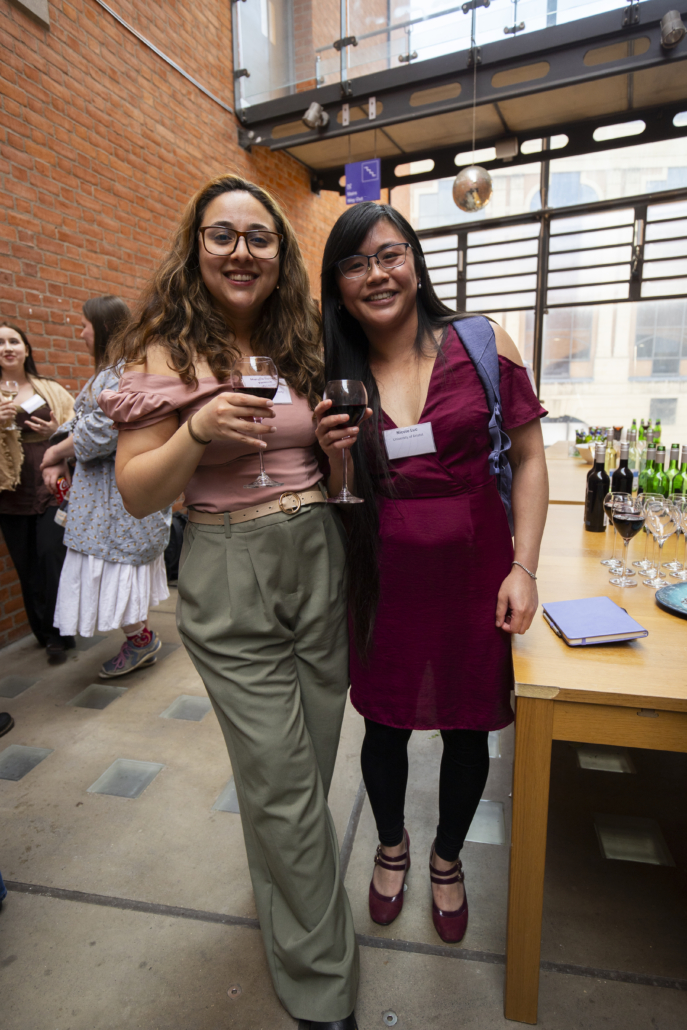
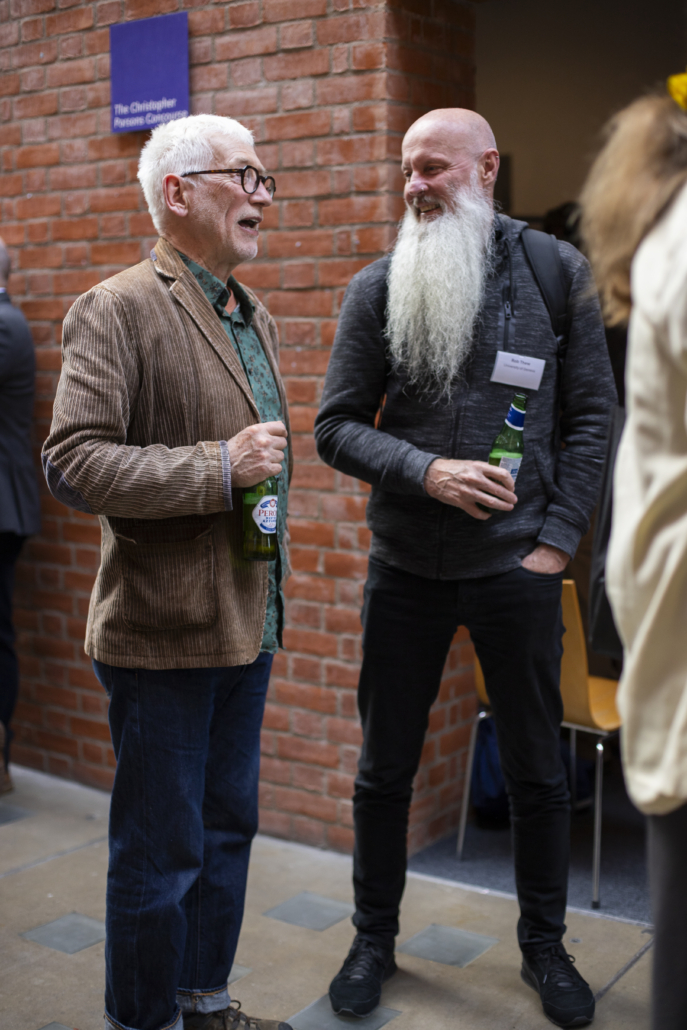
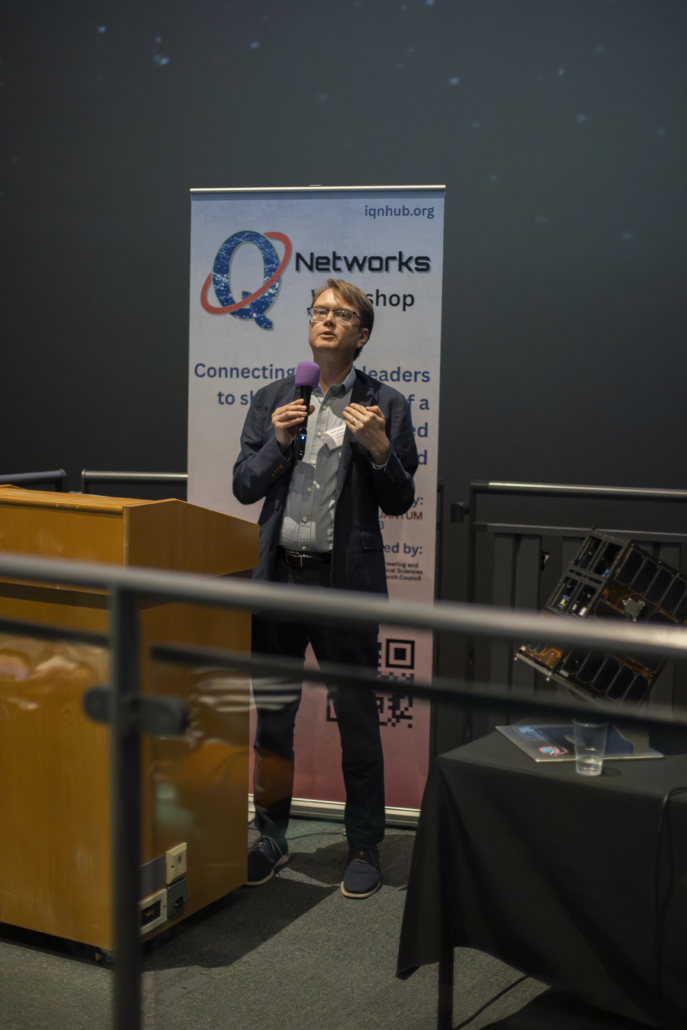
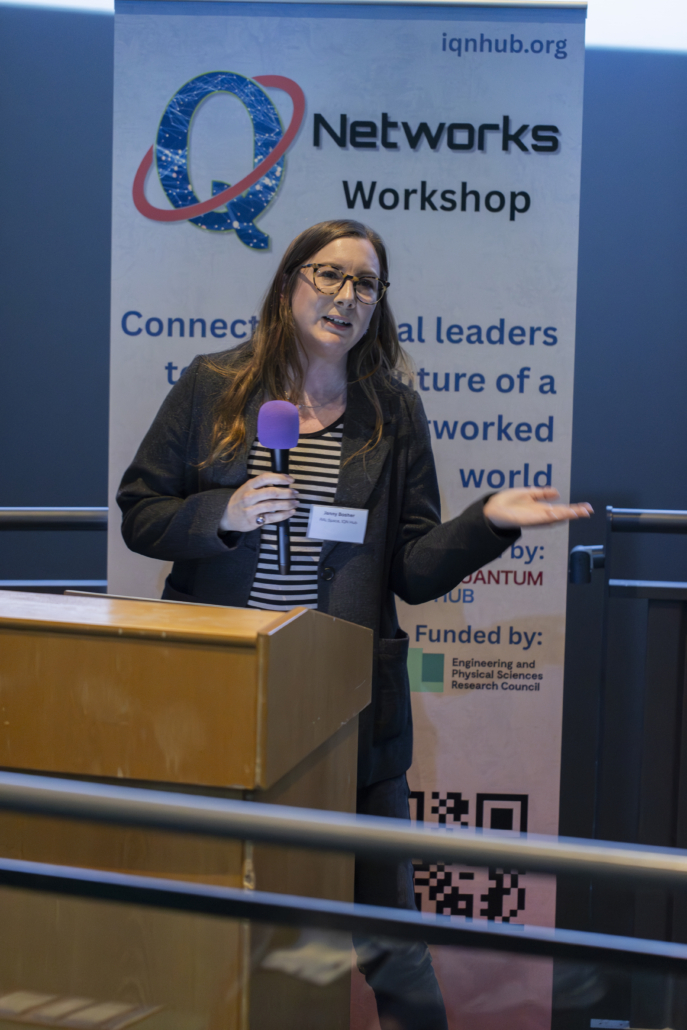
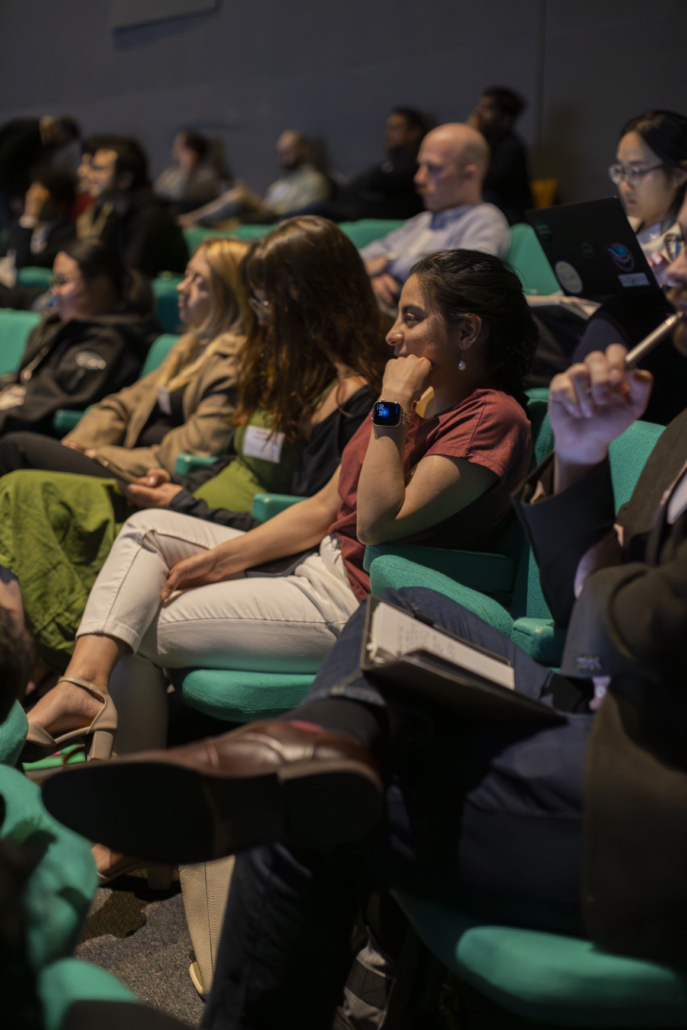
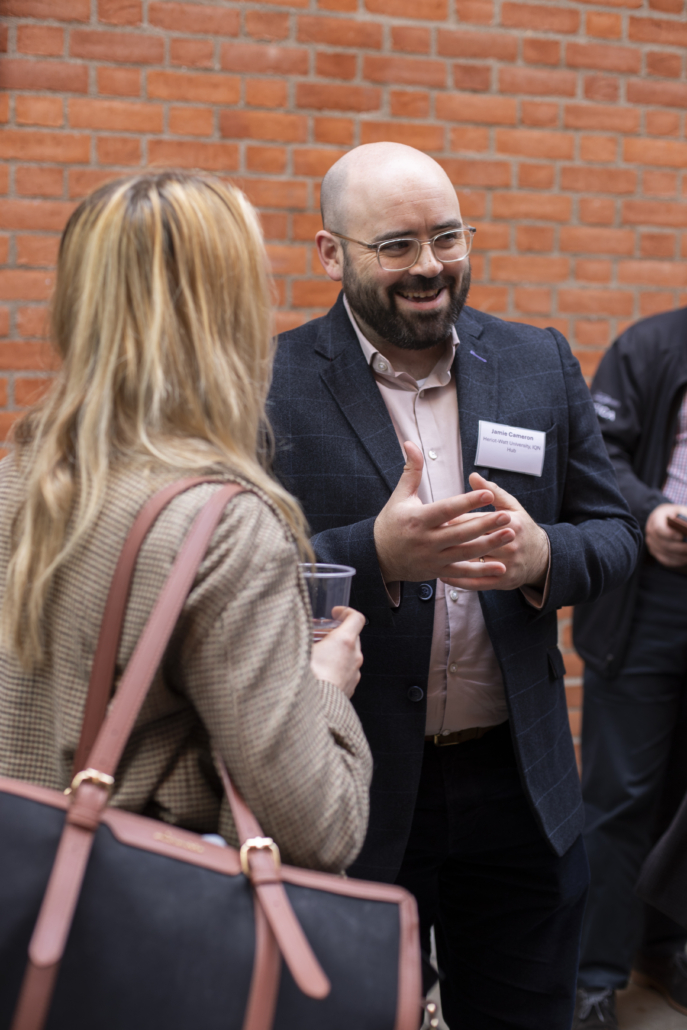
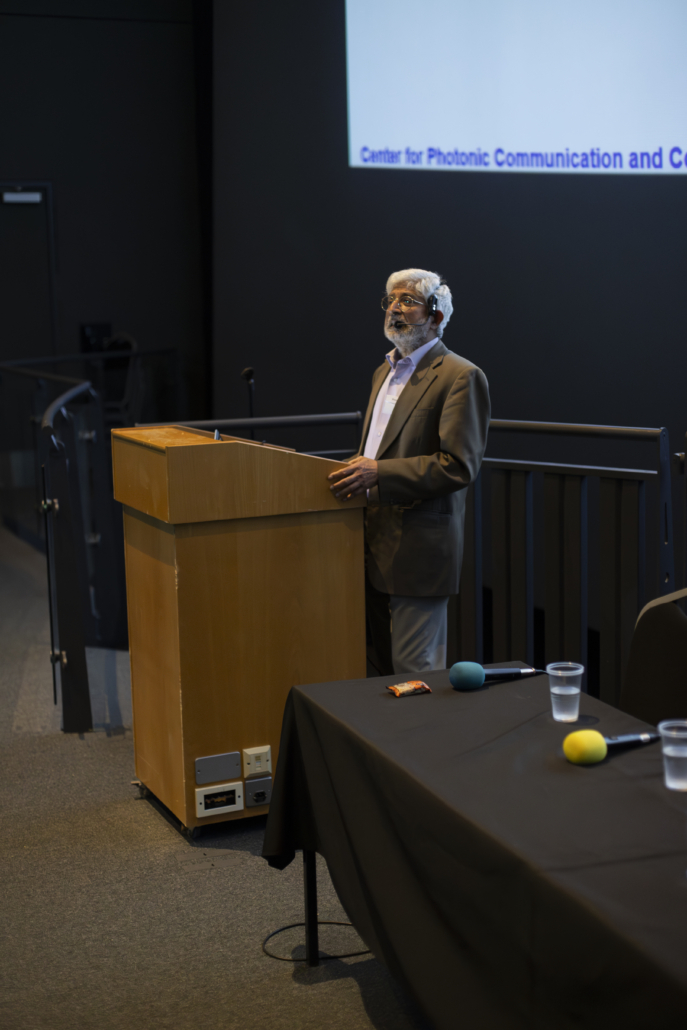
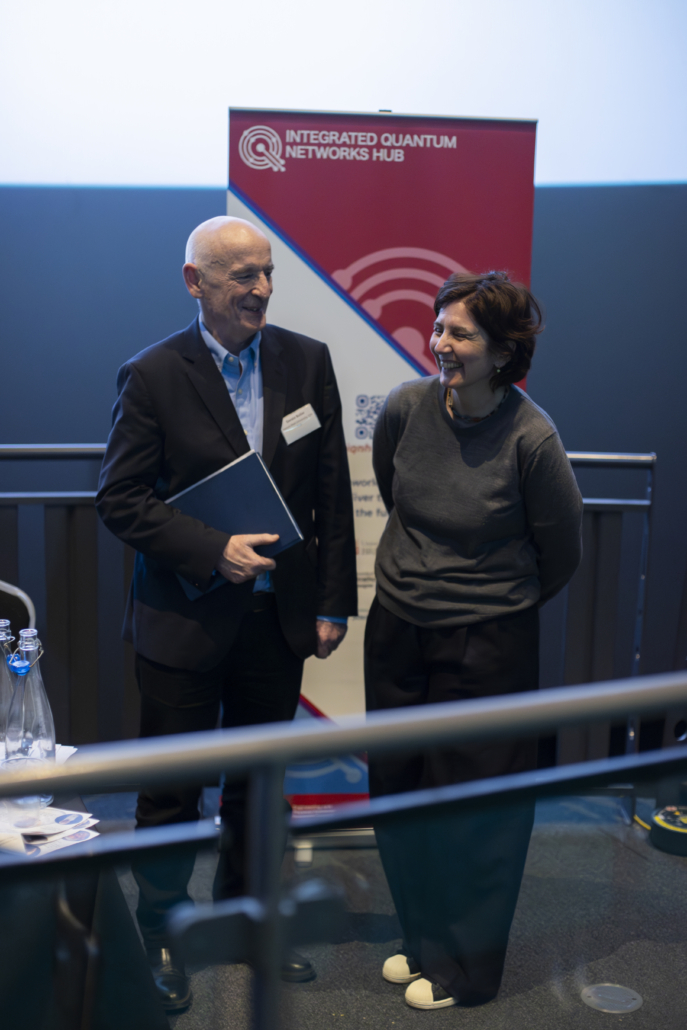
The IQN Hub successfully hosted its international workshop, QNetworks 2026, on 12-13 May at the Bristol Aquarium. The workshop brought together global leaders from academia, industry, and government to advance the future of quantum networking.
Across the two days of the workshop, attendees took part in a wide-ranging programme covering many of the challenges and possible solutions towards future quantum networks. Integral to the event were the contributions of Early Career Researchers, whose involvement in both the planning and participation in the event highlighted the importance of training and skills development within this vital part of the research ecosystem.
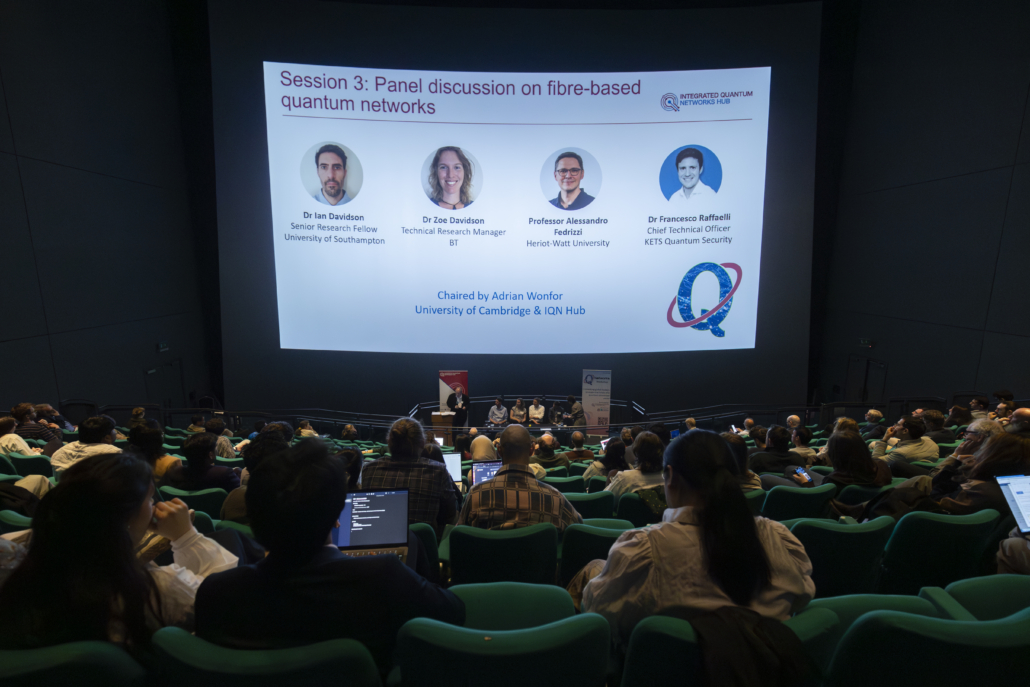
The first day of QNetworks 2026 kicked off with a welcome from Hub Director Gerald Buller and featured perspectives from industry on next-generation quantum networks, followed by talks from various contributors on quantum security for real-world applications, and a panel discussion on challenges around the field deployment of fibre-based quantum networks.
On day two of the conference, sessions covered quantum networking beyond QKD; quantum memories and networks; quantum communications in space (including a panel session) and real-world implementations of quantum networks.
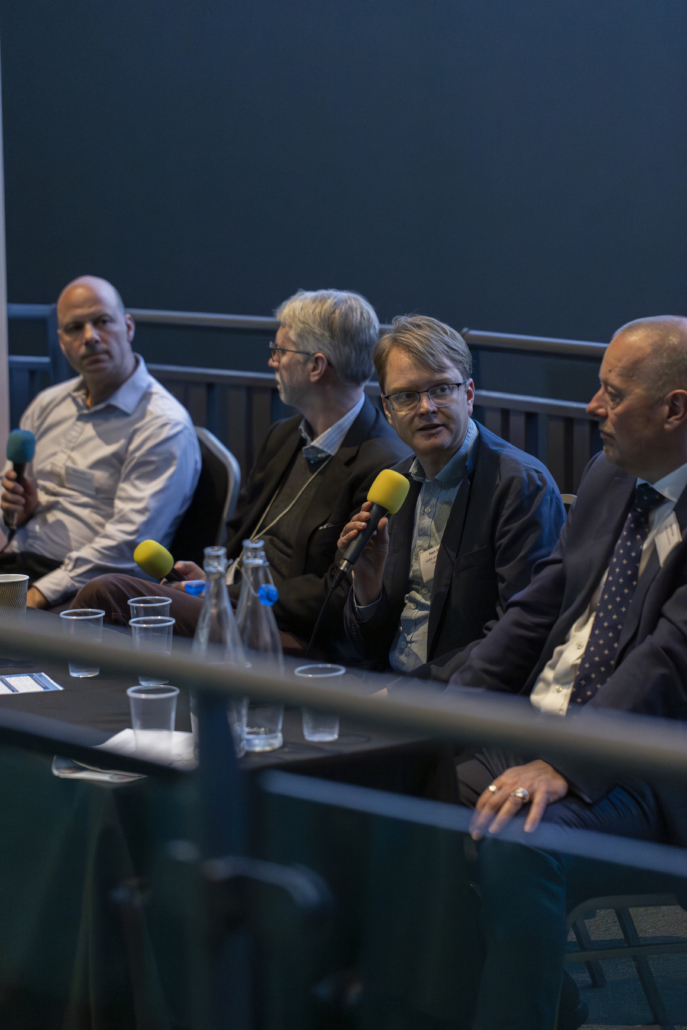
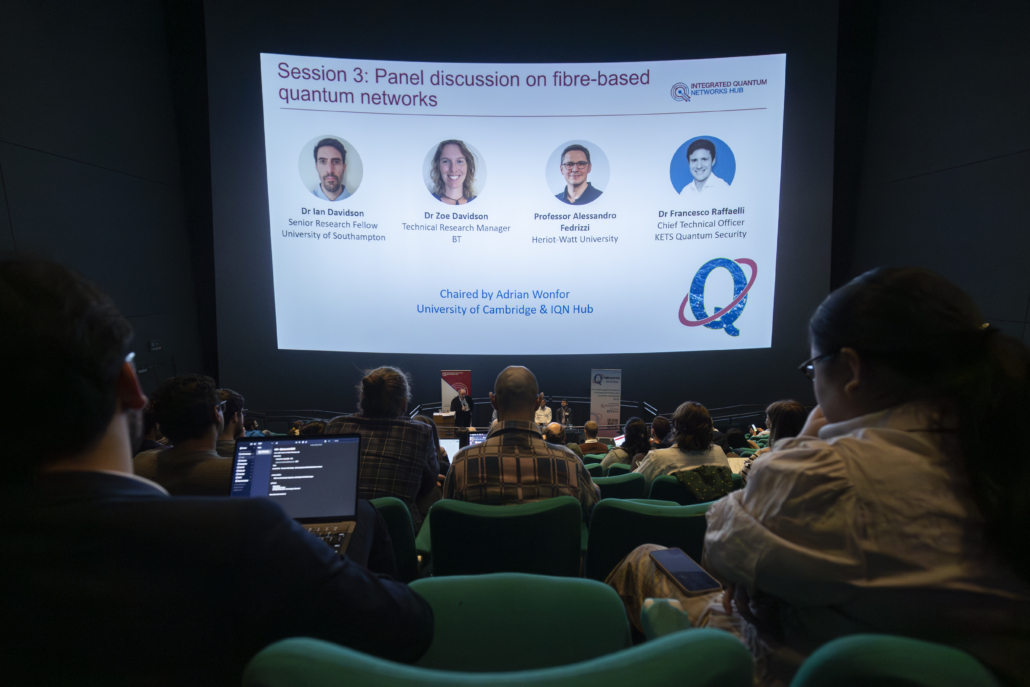
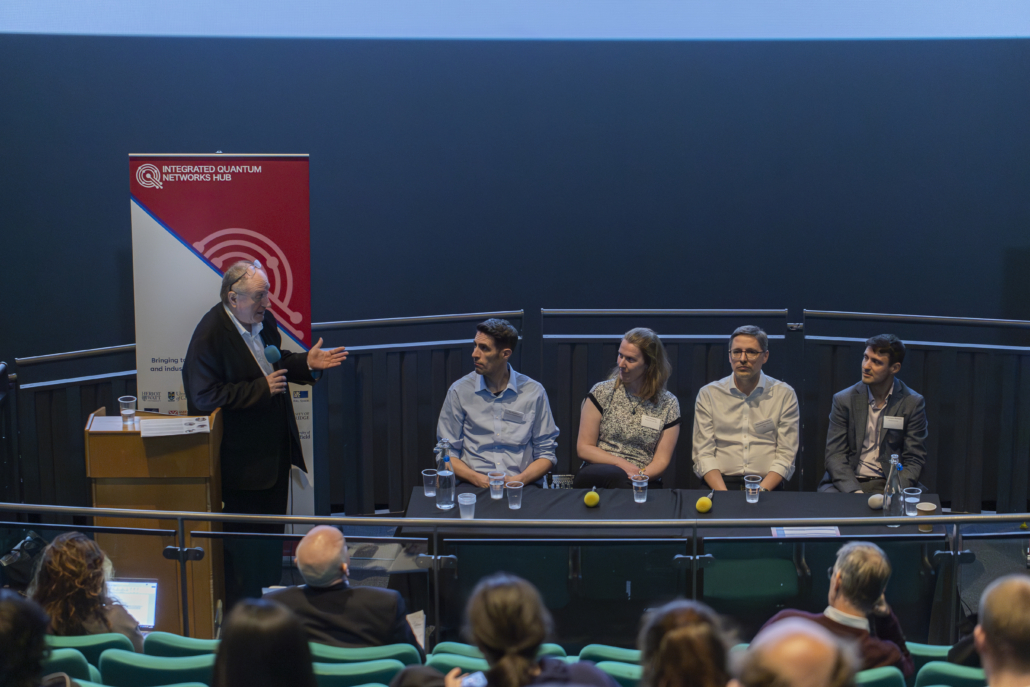
Presentations on the first day included talks on quantum safe networking (Andrew Shields, Toshiba Europe Ltd); BT NISQ networks and the critical path ahead (Cathy White, BT); quantum interconnects for distributed quantum computing (Mihir Bhaskar, IonQ); optical microcavities (Ben Walker-Pearl, Nu Quantum); a review of the quantum patent portfolio (Jeff Hunt, The Boeing Company); quantum risk for the financial sector (Sarah McCarthy, Citi); classical security vulnerabilities with quantum cryptography (Ayesha Khalid, Queen’s University Belfast); quantum tokens (Adrian Kent, University of Cambridge) and higher rates for semi-device-independent randomness expansion (Rutvij Bhavsar, King’s College London). A lively panel session followed this, on fibre-based quantum networks which included Ian Davidson (University of Southampton), Alessandro Fedrizzi (Heriot-Watt University & IQN Hub), Zoe Davidson (BT) and Francesco Raffaelli (KETS Quantum).
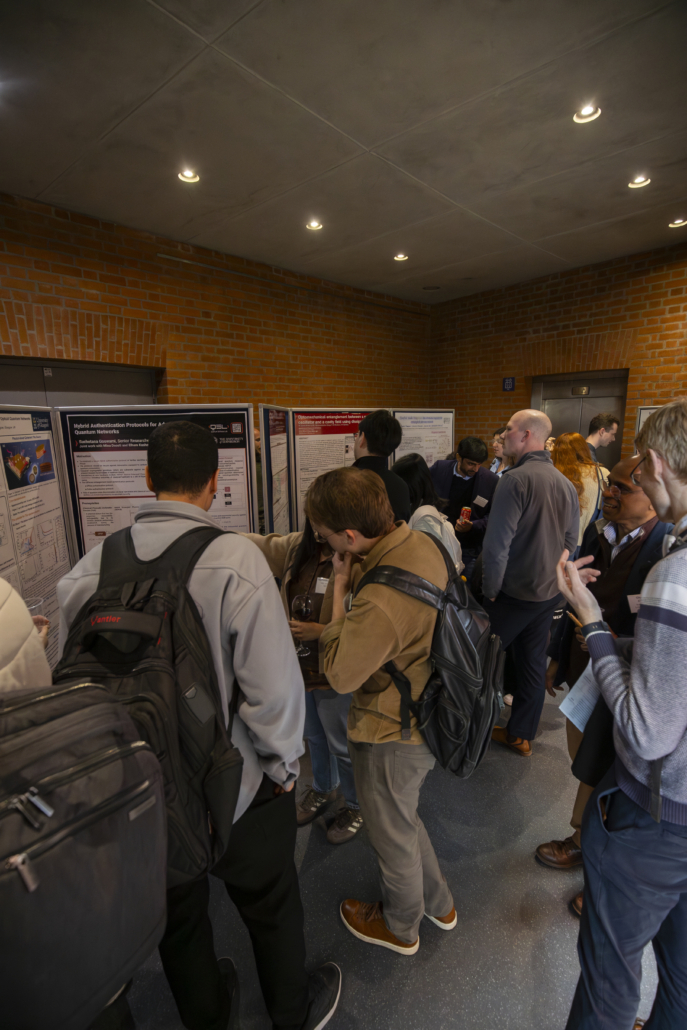
The day ended with an overview of the UK Quantum Technology Ecosystem from Sir Peter Knight (National Quantum Technologies Programme Strategic Advisory Board), and a poster session with contributions from Early Career Researchers and PhD students.
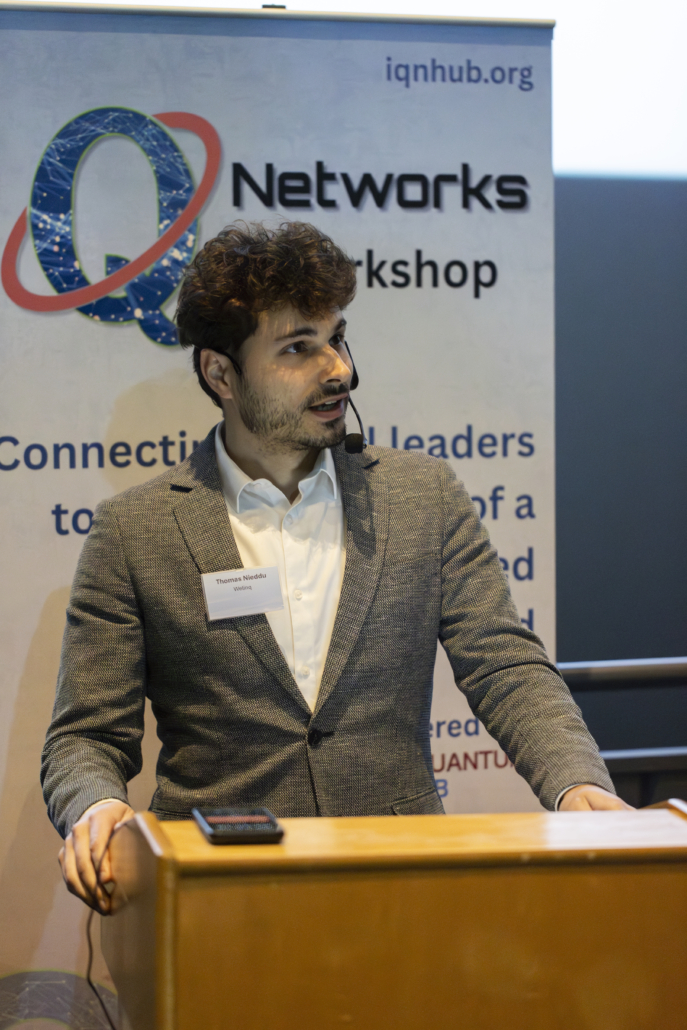
Day two of the programme started with talks on high-dimensional entanglement control (Natalia Herrera Valencia, Heriot-Watt University/Intertangle); balancing scalability, feasibility, and interoperability of quantum repeaters (Mohsen Razavi, University of Leeds); a classical perspective of quantum networks (Don Towsley, University of Massachusetts Amherst); multidimensional encoding in quantum networks (Davide Bacco, University of Florence); distributed quantum computing with silicon colour centres (Chloe Clear, Photonic Inc); building the backbone of quantum data centres (Thomas Nieddu, Welinq); warm vapour telecom quantum memories (Paul Burdekin, University of Oxford & IQN Hub) and spins in quantum dots (Dorian Gangloff, University of Cambridge & IQN Hub).
After lunch, delegates enjoyed a session in quantum communications in space. Firstly, there were talks on superconducting nanowire single photon detectors for space-based quantum networking (Matt Shaw, NASA Jet Propulsion Laboratory), a review of systems engineering of the Hub’s SPOQC quantum mission (Emily Williams & Jennifer Bosher, STFC RAL Space & IQN Hub) and the applications and implementation of small satellite quantum networks (Natalie Pearson, Craft Prospect).
The space theme continued with a panel on quantum communications in space that included Ryan Kraliz (Lumino Technologies), Jay Lowell (The Boeing Company), Matt Shaw (NASA Jet Propulsion Laboratory) and Andy Vick (STFC RAL Space & IQN Hub).
Afternoon sessions included talks on the deployment of the Geneva quantum network (Rob Thew, University of Geneva); scalability of quantum networks (Siddarth Joshi, University of Bristol & IQN Hub); long-distance quantum communications with independent remote light sources (Zhiliang Yuan, Beijing Academy of Quantum Information Sciences); scaling quantum networks beyond laboratory research (Prem Kumar, Northwestern University) and finally using trapped ions in optical cavities for quantum networks (Viktor Krutianskii, University of Innsbruck).
Feedback from the event was overwhelmingly positive, with participants particularly highlighting the breadth and quality of the talks and panels, as well as recognising the strong momentum generated for ongoing and future joint initiatives.
QNetworks was free to attend thanks to support from the Engineering and Physical Sciences Research Council (EPSRC).
Congratulations to the winners of the poster awards:
- 1st prize – Thomas Hird: University of Birmingham
- 2nd prize – Joseph Niblo: Heriot-Watt University
- Runner-Up – Zofia Borowska: T-Labs
IQN Hub is looking forward to inviting attendees to our next QNetworks Workshop, taking place in 2028.